DATA CENTRE
Solving the ICT Field Labor Shortage: Pre-Terminated Cabling and Ergonomic Connectivity


The ICT industry is facing a structural workforce problem. Experienced cabling technicians are aging out faster than new ones are being trained, while AI-driven data centres are pushing patching densities beyond what field termination was ever designed to handle. In the Q3 2026 issue of ICT Today, BISCI, Aginode's Michael Wang and Eunah Jeong examine how infrastructure design, not just hiring and training, can help close this gap.
The problem:
- Tens of thousands of skilled technicians are expected to leave the field through retirement over the next decade, while demand for new deployment volume keeps growing
- Patching field densities have outpaced what human hands can safely and precisely manage, with port spacing in some high-density fibre panels now under 8mm
- Field termination remains the most skill-dependent, error-prone step in a cabling deployment, and mistakes are costly at hyperscale
The solutions the article explores: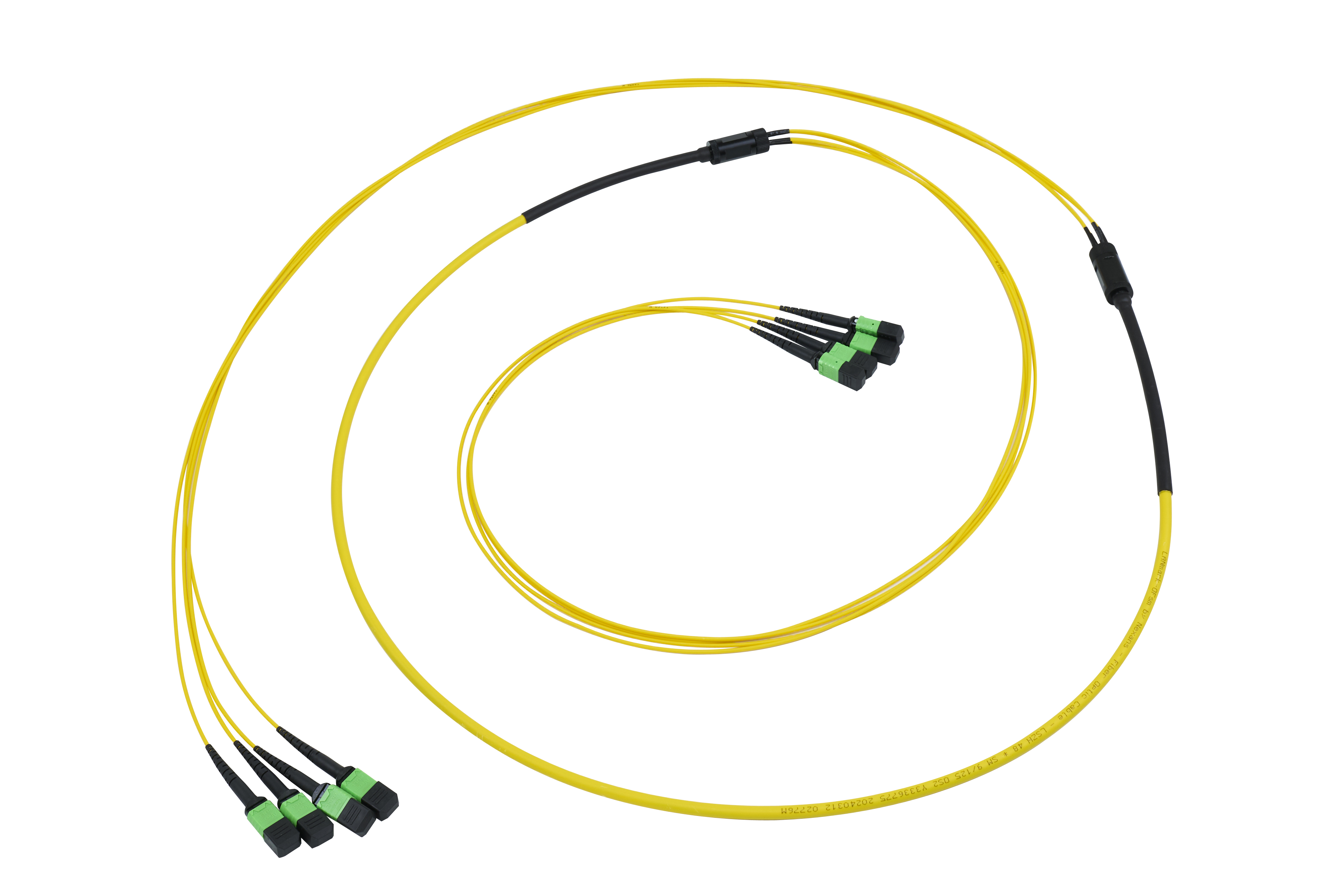
- Pre-terminated infrastructure shifts termination and quality control from the job site to a controlled factory environment, reducing installation labor by 40 to 70 percent and removing the most skill-dependent task from the on-site workflow.
Click to discover our Base8 solutions, including pre-terminated assemblies engineered for high-density AI and hyperscale data centre environments.
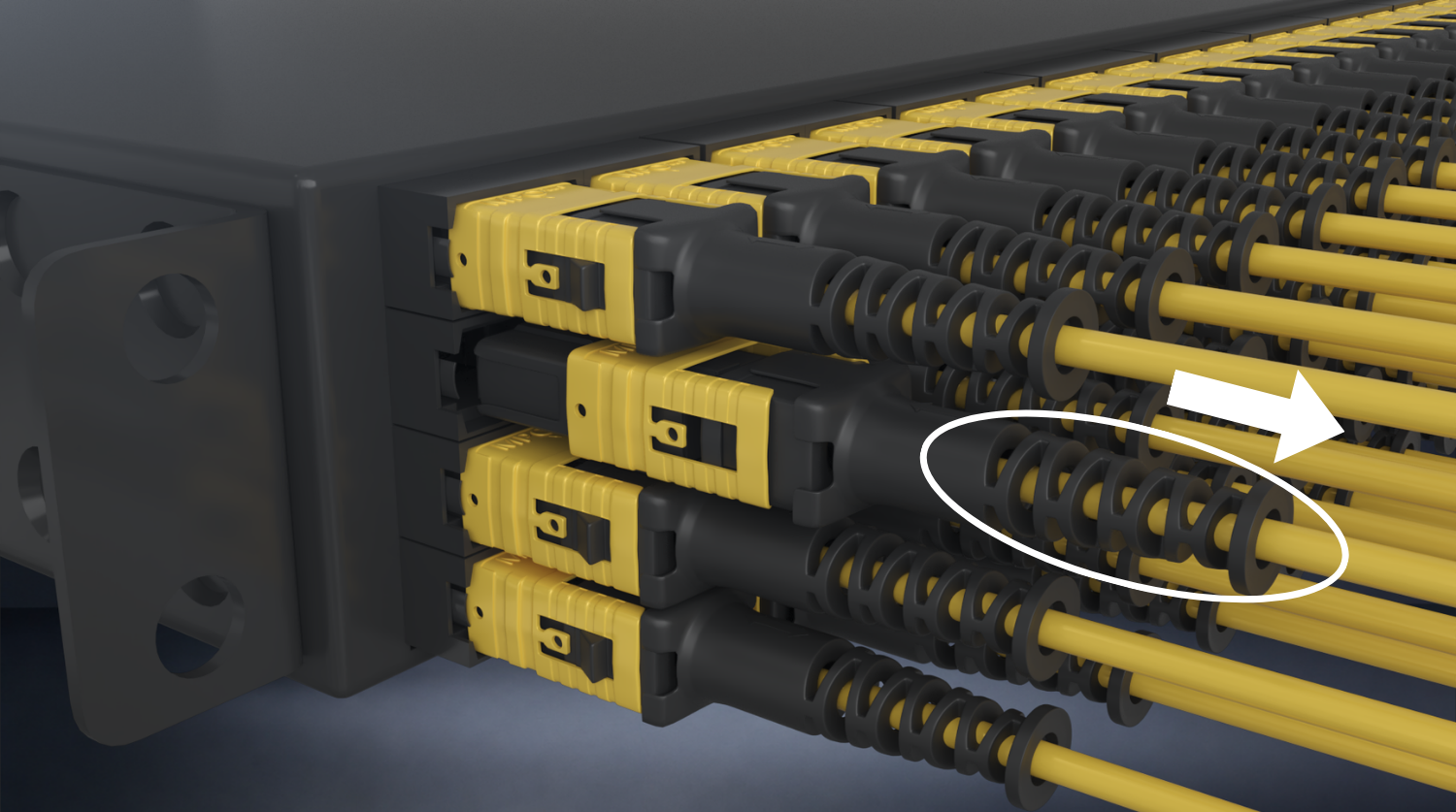
- Ergonomic, human-centric connectivity addresses the maintenance side of the challenge. Push-pull interfaces reduce the fine-motor precision required to make moves, adds, and changes in ultra-dense panels, lowering the risk of accidentally disrupting a neighboring live connection.
Click to discover our DCmark Push-Pull Patch Cords.
- Lifecycle-informed design evaluates infrastructure not just on first cost, but on total cost of ownership across the 10 to 15 years of moves, adds, and changes a cabling system typically sees, a timeframe where labor savings compound significantly.
The takeaway
Workforce capability isn't only a hiring and training problem, it's also a design problem. Infrastructure engineered around human factors lets the available labor pool accomplish more, more safely, with less training overhead.
Share this
About the author